CROSS WORD PUZZLE
Learning Outcome
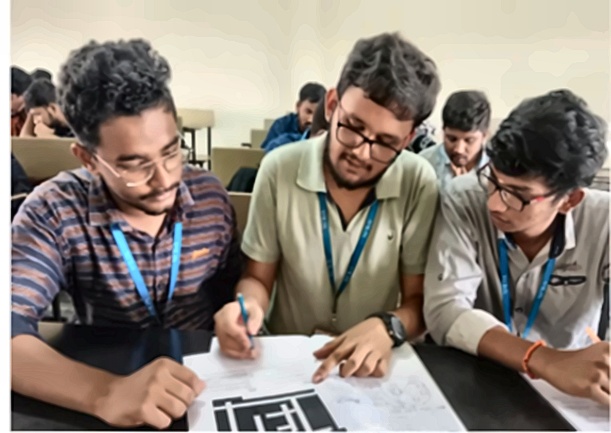
Students recalled and reinforced cloud security challenges and cloud computing terms and concepts by solving the puzzle in teams, which improved their retention of key vocabulary and encouraged collaboration.
Curriculum courses in the Department of Information Technology incorporate specialized simulation platforms, live cloud APIs, algorithmic animation suites, and modeling software to elevate student comprehension beyond conventional textbook methods.
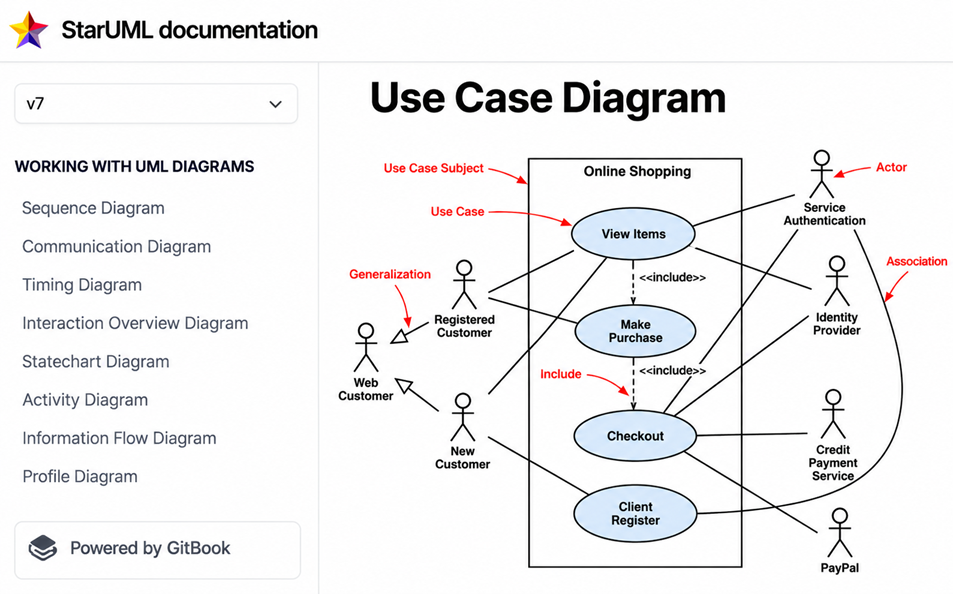
Professional UML modeling platform for software architecture, enabling students to construct structured Use Case Diagrams, model actor-system interactions, and build maintainable engineering documentation.
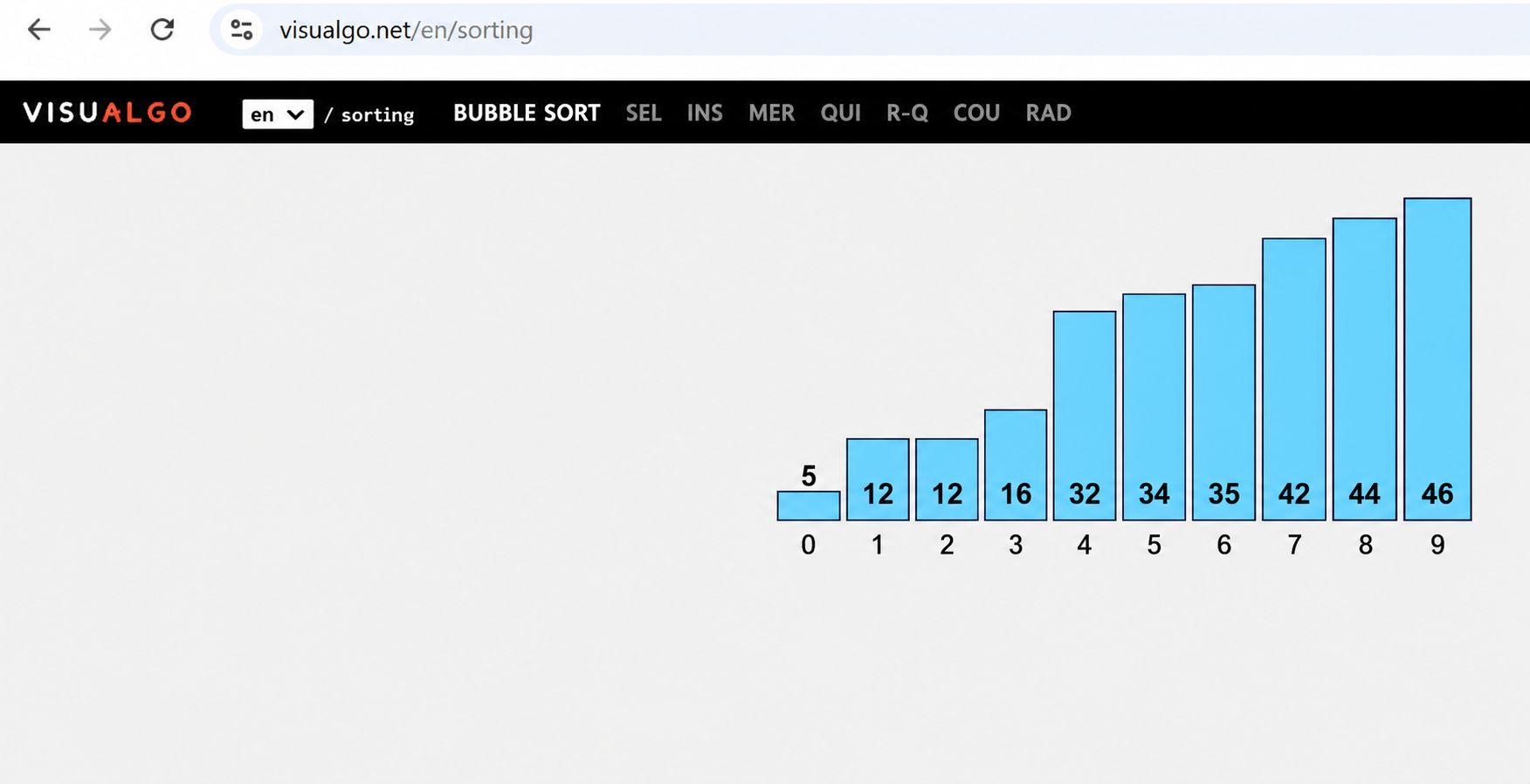
Global online visualizer platform providing intuitive bar-chart animations for comparison-based sorting routines (Merge, Quick, Radix), helping students observe algorithmic complexity and execution pathways.
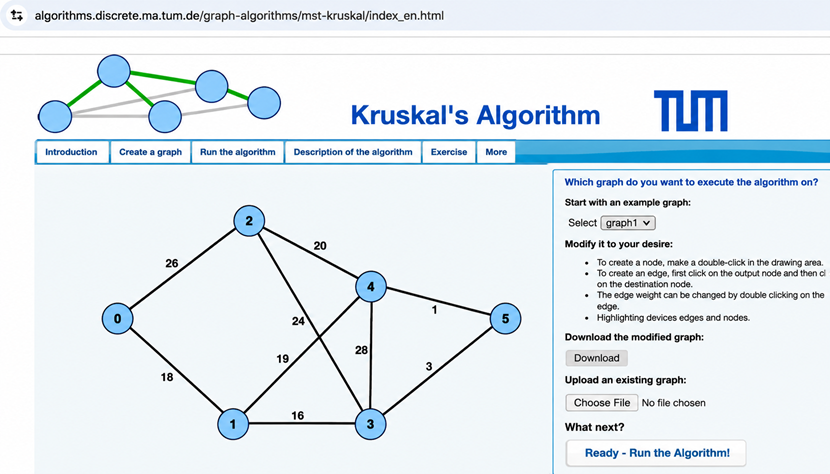
Interactive animation framework developed by the Technical University of Munich enabling students to visually trace minimum spanning tree construction, greedy edge sorting, and disjoint-set cycle avoidance step-by-step.
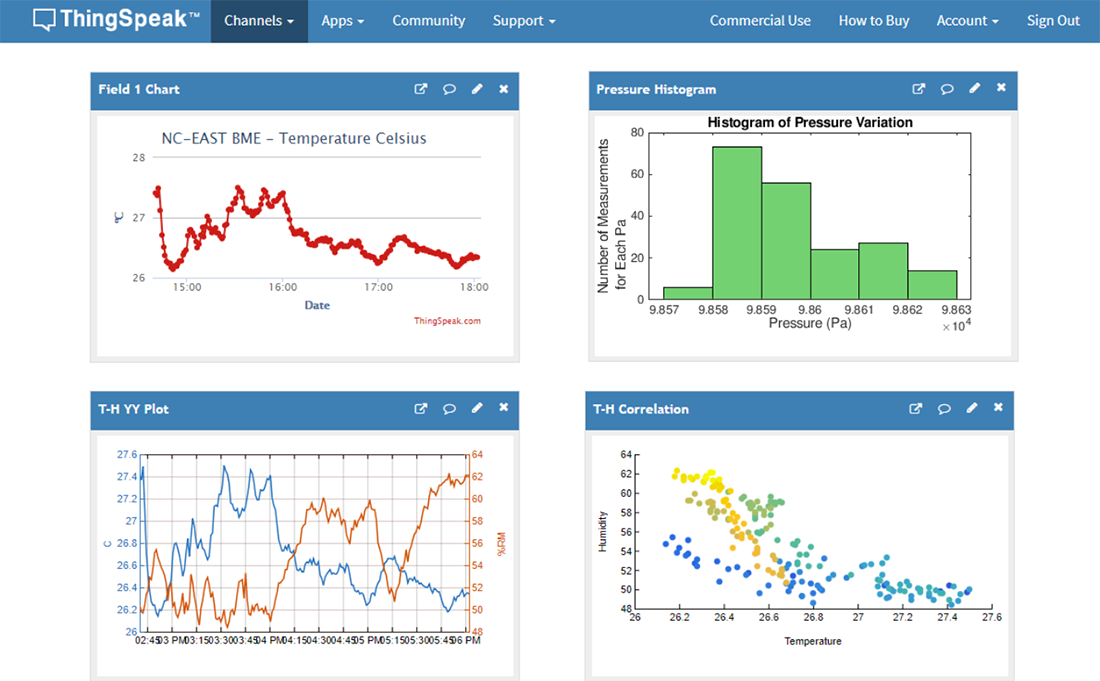
IoT cloud analytics platform facilitating real-time telemetry streaming from microcontroller nodes, live graphical telemetry aggregation, RESTful API integrations, and continuous cloud monitoring dashboards.
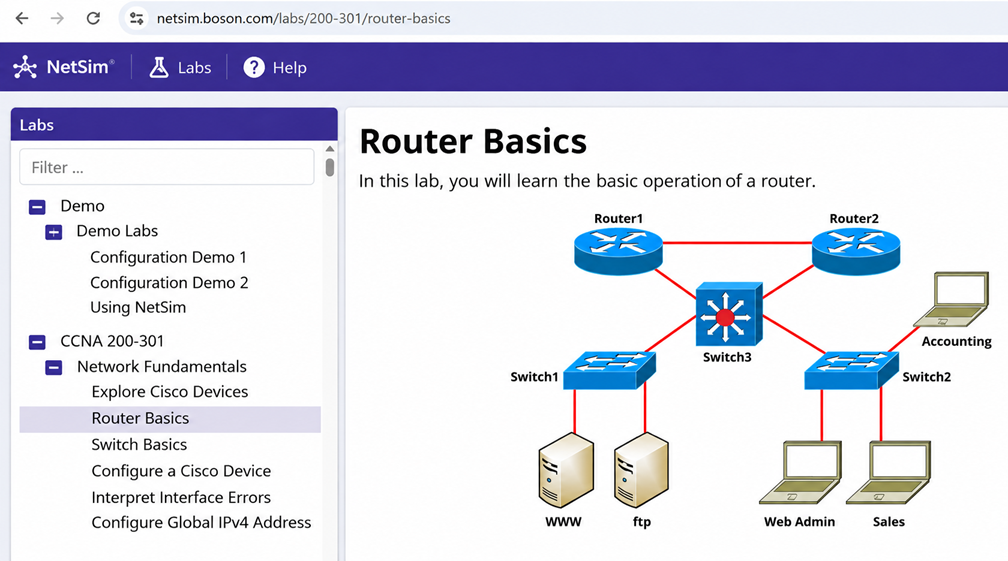
Standard network simulation software enabling students to construct virtual subnetworks, configure router routing tables, analyze interface states, and observe packet routing across heterogeneous network devices.
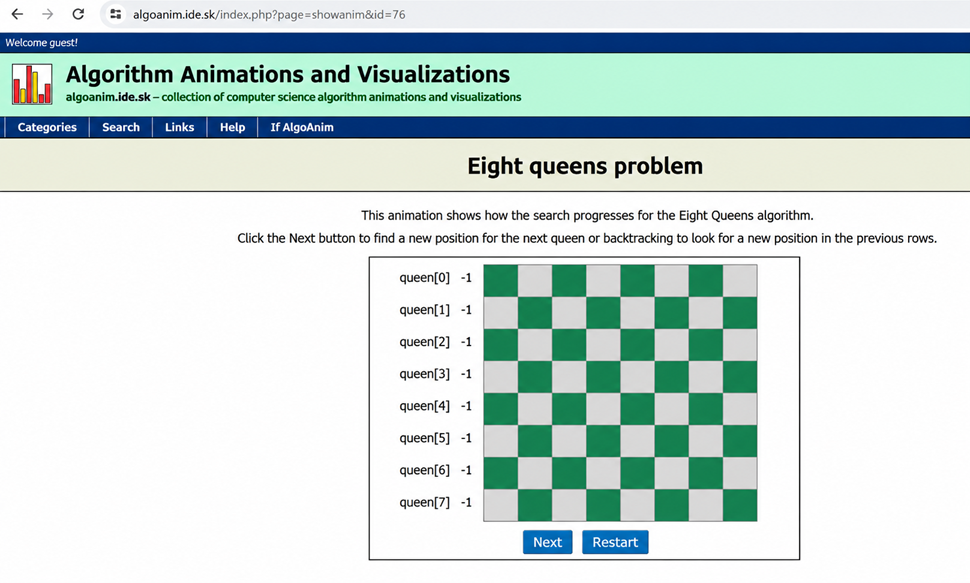
Interactive animation suite visualizing state-space tree traversal, recursive constraint evaluation, and back-tracking steps on an 8x8 chessboard to clarify non-attacking queen configurations.
Active learning shifts the instructional focus from passive transmission of knowledge to experiential engagement, collaborative problem solving, and reflective learning.
Students recalled and reinforced cloud security challenges and cloud computing terms and concepts by solving the puzzle in teams, which improved their retention of key vocabulary and encouraged collaboration.
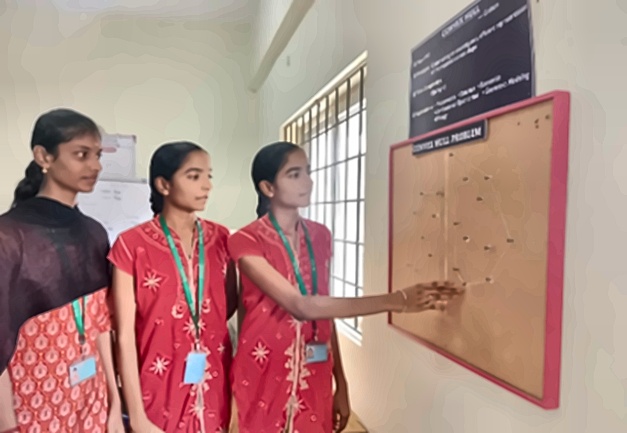
Learners worked on the problem hands-on, tracing routes between points and comparing path costs, which helped them see why finding the shortest tour is hard and how solutions are evaluated.
By acting out the planning process, students understood how goals and sub-goals are stacked and resolved step by step, giving a clear picture of how an AI planner solves a problem.
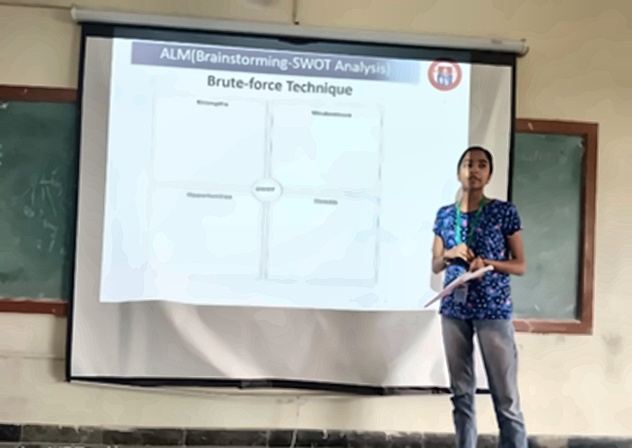
Using a SWOT grid, students analysed the strengths, weaknesses, opportunities and threats of the brute force technique, learning when it is practical and when a more efficient approach is needed.
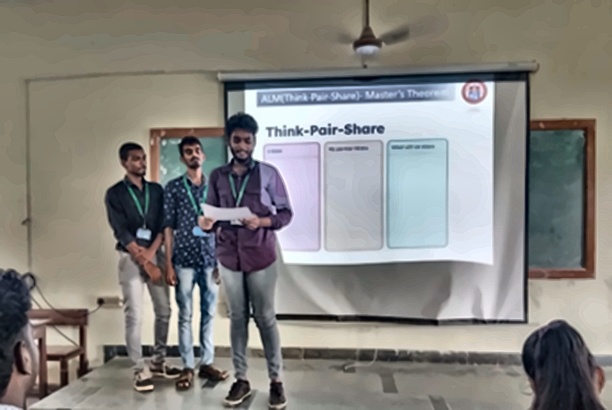
Students thought individually, discussed with a partner and then shared with the class, which strengthened their ability to choose the right case of the theorem and solve recurrence relations.
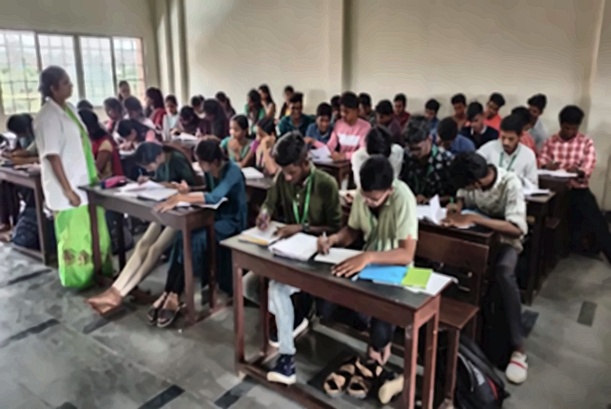
Students summarised the main points of network topologies in one minute, which helped them recall the topic and gave the faculty quick feedback on what was understood.